

Hounslow council permit rules for street parking during removals
Posted on 31/07/2026
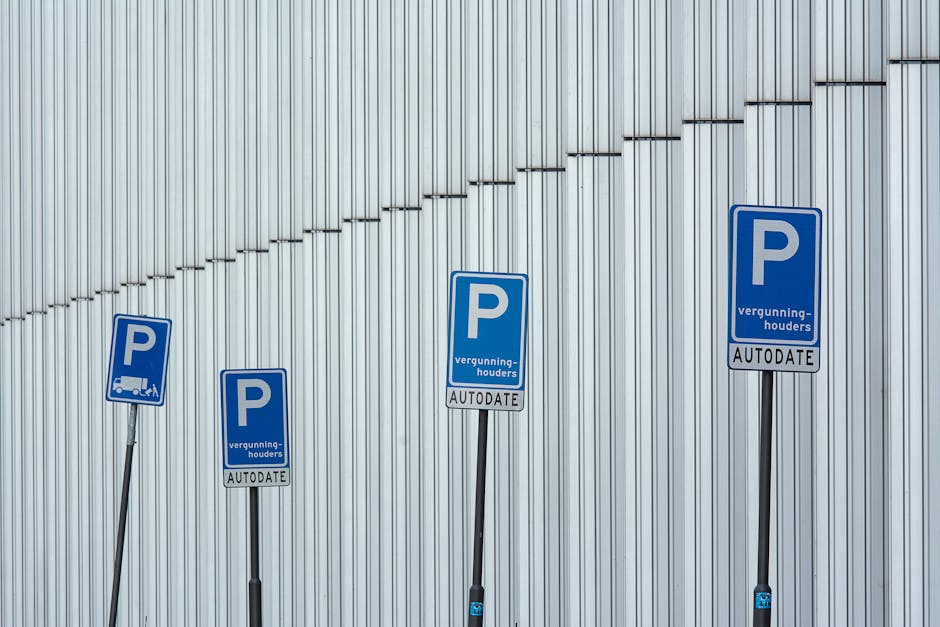
If you are moving house in Hounslow, street parking can turn into the part of the day that nobody planned for but everybody has to deal with. The van arrives, the hallway is packed, the rain starts, and suddenly the big question is not where the sofa goes, but whether the vehicle is allowed to stop outside. That is where Hounslow council permit rules for street parking during removals matter. Get them wrong and you can end up with delays, fines, frustrated neighbours, or a very awkward unloading job. Get them right and the whole move feels calmer, safer, and far more organised.
This guide breaks the topic down in plain English. You will learn how street parking permissions usually work during removals, what to check before moving day, how to reduce risk, and when it makes sense to build extra time into the plan. If you are moving from a flat, a family home, or even a small office, the same basic principle applies: parking near the property is part of the move, not an afterthought.
For wider moving help, you may also find our services overview useful, especially if your move needs more than just a van on the day.
Contents
- Why the permit rules matter
- How the process works
- Key benefits and practical advantages
- Who needs this and when it makes sense
- Step-by-step guidance
- Expert tips for better results
- Common mistakes to avoid
- Tools, resources and recommendations
- Law, compliance and best practice
- Options and comparison table
- Case study example
- Practical checklist
- Conclusion
- Frequently asked questions
Why Hounslow council permit rules for street parking during removals Matters
Parking rules sound boring until they affect your moving day. Then they are very much not boring. In Hounslow, street parking is often controlled by restrictions, permit bays, single yellow lines, red routes in some nearby corridors, loading limitations, or resident-only zones. A removal van can only work efficiently if it can get close enough to the property for safe loading and unloading.
Without the right permission, your driver may have to park further away, which means more carrying, more time, and a greater chance of damage to furniture or the property. It can also create pressure on timing. A removal that should take two hours can quietly become four. Not ideal when keys are changing hands and the landlord is already waiting for you to vacate.
There is also a neighbourly side to it. Nobody enjoys a van sitting across a driveway or blocking access to bins, garages, or delivery bays. A properly planned street parking arrangement is simply more courteous. To be fair, it makes the whole move feel less chaotic from the start.
If you are getting into a new place and want local context while you plan, the article on Hounslow from a resident's perspective gives a useful feel for the area and daily life here.
How Hounslow council permit rules for street parking during removals Works
The exact rules depend on the street, the parking bay, and the type of restriction in place. But in practical terms, the process usually follows a familiar pattern. You identify where the removal vehicle will stop, check whether the location is controlled, and then arrange whatever permission is needed before move day.
In many streets, you may need permission for one of the following reasons:
- the van will park in a resident permit bay
- the vehicle will stop in a shared bay with time limits
- loading or unloading is planned on a yellow-line restriction
- a bay suspension or temporary parking arrangement is required
- the street is narrow and requires an organised parking plan
Sometimes the permit is handled by the mover or van company, and sometimes the customer has to organise it. That depends on the service agreement and who is taking responsibility for the booking. If you are using a man with a van in Hounslow, for example, it is worth confirming early who is checking the parking side of things. A quick five-minute conversation can save a lot of drama later. Seriously, it can.
You should also factor in timing. Some parking controls only allow short loading windows, while others need advance notice. And if you are moving near a busy road, school, or station area, the parking pressure can be much tighter than people expect. You know that feeling when every space seems to vanish the moment you need one? Yes, exactly that.
Key Benefits and Practical Advantages
Getting the parking arrangement right is not just about avoiding a ticket. It shapes the quality of the whole move.
- Less walking distance: The closer the van can stop, the faster heavy items move.
- Lower risk of damage: Shorter carrying distance means fewer knocks, scrapes, and fatigue-related mistakes.
- Better time control: A van parked properly can load and unload in one clean sequence.
- Reduced stress: When the parking plan is sorted, the rest of the move feels manageable.
- Fewer compliance problems: You are less likely to face fines, objections, or enforcement issues.
One of the biggest hidden benefits is simple morale. If the van is parked legally and close by, the move starts to feel under control. That matters more than people think. A moving day is already noisy, physical, and mentally full. Doors open and close, tape tears, boxes thud on the floor, someone loses a kettle cord, and there is always that one last item under the bed. A sensible parking setup takes a surprising amount of pressure off the room.
For larger or more complex moves, especially where access is tight, it can help to look at specialist help such as house removals in Hounslow or flat removals in Hounslow, because access planning often becomes part of the service rather than an extra headache for you.
Who This Is For and When It Makes Sense
This topic matters to more people than you might expect. It is not just for large family homes with a lorry outside. In fact, smaller moves can be trickier because flats and terraces often sit on streets with tighter parking controls.
You will likely need to think about permit rules if you are:
- moving from a flat with limited kerb space
- living on a road with resident permit bays or shared-use bays
- moving near busy routes where stopping is restricted
- using a removal van, Luton van, or larger vehicle
- moving out of, or into, a property with no driveway or forecourt
- doing a same-day move where timing leaves little room for mistakes
Students also run into this more often than they expect. A small box-heavy move can still need a legal stopping point, especially if the street is busy or the building entrance is awkward. If that sounds familiar, the guide on student removals in Hounslow may help you think through the practical side.
Office moves are another common case. With business premises, you may need to coordinate around loading bays, staff parking, and strict time windows. A carefully planned parking arrangement is part of a smooth office removal in Hounslow, not a side note.
Step-by-Step Guidance
Here is a sensible way to handle the parking side of a removal without making it overly complicated.
- Check the street restrictions first. Look at the signs outside the property and think about where the removal van would actually stop, not where you wish it could stop.
- Identify the exact loading point. A van parked 20 metres away may sound close on paper, but with stairs, rain, and bulky furniture, those metres matter.
- Confirm who arranges permission. Ask whether your removals company, man and van provider, or you will make the parking arrangement.
- Build in time for approval or setup. Do not leave parking to the final evening before the move. That is where the wheels come off, metaphorically speaking.
- Share the property details early. Give the mover your postcode, access notes, floor level, and any road-obstruction concerns.
- Plan for a backup position. If the preferred bay is unavailable, know where the second-best legal stop is.
- Keep documents and confirmations handy. If any parking permission is arranged, have the details ready on your phone or printed out.
In practice, the easiest moves are the ones where nobody is guessing on the day. The driver knows the spot, the route from van to door is clear, and the loading order has been thought through. That is the good stuff.
If your move includes awkward furniture, specialist handling, or narrow internal access, it may also be sensible to combine parking planning with a broader removal plan through removal services in Hounslow or a suitable removal van in Hounslow.
Expert Tips for Better Results
After plenty of local move planning, a few habits consistently make life easier. Nothing fancy. Just the things that stop minor problems turning into full-blown stress.
- Measure the gap between van and property. Not every legal stop is a good stop. Closer is usually better, as long as it is lawful and safe.
- Check for roadworks and temporary suspensions. A street can look normal and still have a temporary restriction that changes everything.
- Speak to neighbours if needed. A polite heads-up can prevent misunderstandings, especially on a narrow road.
- Use one person to manage parking communication. Too many people calling around creates confusion.
- Choose your van size carefully. Bigger is not always better if the street is cramped.
Here is a small real-world observation: the parking plan is often decided by the least glamorous detail on the street, not the biggest one. A low branch, a dropped kerb, a bin lorry timetable, or a corner that is just a bit too tight. That sort of thing. So take ten extra minutes to walk the route. It pays off.
For tricky access jobs, a page like best man and van for Hounslow High Street moves can also be helpful if you are comparing access-friendly approaches.
![Close-up of a weathered metal parking restriction sign mounted on a metal pole, with chipped and peeling black and white paint, indicating that the space is reserved 24 hours. The sign is attached to a white wall or barrier that shows signs of wear, including cracks and peeling paint. This image relates to house removals and moving services, where parking permissions and street restrictions are important during the loading and unloading process. [COMPANY_NAME], a professional removal service, adapts to such parking rules to ensure smooth furniture transport and packing during a home relocation, especially in urban areas like Hounslow. The environment suggests an outdoor setting with natural light, emphasizing the importance of understanding street regulations in moving logistics.](/pub/blogphoto/hounslow-council-permit-rules-for-street-parking-during-removals2.jpg)
Common Mistakes to Avoid
This is where many otherwise well-planned removals stumble. The mistakes are usually small, but the consequences are annoyingly big.
- Leaving parking until the move morning. This is the classic one. By then, it is too late to adjust calmly.
- Assuming loading is automatically allowed. In some places, it is not, or it is only allowed for a short period.
- Forgetting about van size. A larger vehicle may not fit in the place you had in mind.
- Not checking the destination street. People often plan only the collection side and forget the arrival side entirely.
- Ignoring height, width, and turning space. Street parking is one thing; manoeuvring into it is another.
- Failing to brief the driver. If the driver does not know the access issue, they can't plan around it.
The most expensive mistakes are not always financial. Sometimes they are emotional. You are standing outside with a half-loaded van, someone is asking where the coffee machine went, and the parking situation is still unresolved. Not fun. Not fun at all.
If you want to avoid that kind of pressure, it may be worth reading how to avoid hidden fees in Hounslow removal quotes as well, because parking problems and quote misunderstandings often show up together.
Tools, Resources and Recommendations
You do not need a toolbox full of apps and spreadsheets. A few practical tools are enough.
- A site photo: Take pictures of the parking area, kerb, entrance, and any restriction signs.
- A simple access note: Write down the floor number, lift availability, and any narrow turns.
- A move-day contact sheet: Keep the driver, landlord, agent, and keyholder details in one place.
- Box labels: They speed up unloading when parking access is tight and everyone is moving quickly.
- A backup plan: If your first stopping point is unavailable, know the next legal option.
For packaging help, packaging and boxes in Hounslow and packing and boxes in Hounslow can support a more orderly move. It sounds obvious, but well-labelled boxes make the vehicle unload much faster, which matters if your parking window is short.
If you are still early in the planning stage, the page on pricing and quotes can help you think about budget alongside access and timing, which is usually the smarter way round.
Law, Compliance, Standards, or Best Practice
This article is not legal advice, and parking controls can change street by street. Still, the basic compliance idea is straightforward: do not assume your removal vehicle can stop anywhere just because you are moving house. Temporary loading permission, resident bays, controlled zones, yellow lines, and bay suspensions can all affect what is allowed.
Best practice in the removals industry is to treat parking as part of the access assessment. That means checking restrictions early, understanding vehicle size, planning loading times, and avoiding unsafe stopping points. It also means keeping clear communication between the customer and the mover. If a driver is guessing, the plan is weak. If they know the street in advance, the move is stronger from the start.
For customers, the sensible standard is simple:
- confirm the parking position before move day
- make sure any permission is in place if needed
- avoid blocking pavements, driveways, or emergency access
- respect time limits and loading rules
- allow extra time in busy streets
There is also a safety angle. Street parking decisions should never force people to carry heavy items too far, rush across traffic, or lift awkward furniture from an unsafe position. If the stop point feels too far away, that is a clue to rethink the plan. Common sense beats bravado every time.
Options, Methods, or Comparison Table
There is more than one way to handle parking during a removal, and the best option depends on the street, vehicle, and access conditions.
| Option | Best for | Pros | Watch-outs |
|---|---|---|---|
| Standard street parking near the property | Simple moves with reasonable access | Quick, cheap, easy to manage | Only works if restrictions allow it |
| Permit or controlled bay arrangement | Controlled streets and permit zones | Closer access, more predictable | Needs early checking and possible approval |
| Temporary loading-only stop | Short, efficient loading/unloading | Good for fast operations | Time limits can be tight |
| Alternative legal stop with longer carry | Busy roads or restricted streets | Sometimes the only realistic option | Slower, more tiring, higher handling risk |
In many cases, a well-planned controlled bay is the sweet spot. But if the street is narrow or busy, a smaller vehicle plus careful timing can be more effective than trying to force a larger van into an awkward space. A neat little move with the right van often beats a heroic one with the wrong van. Funny how that works.
For people comparing vehicle styles, man with van in Hounslow and removal companies in Hounslow offer a useful contrast in how access and support may be handled.
Case Study or Real-World Example
Picture a second-floor flat move on a weekday morning in Hounslow. The property is on a road with controlled parking, and the lift in the building is out of action. The mover has a van booked, boxes are packed, and the tenant has to hand back keys by early afternoon. That is a fairly ordinary scenario, honestly.
In a rushed version of that move, the van arrives without a parking plan and has to stop several spaces away. The team spends extra time carrying sofas, a mattress, and a stack of boxes along the pavement. The hallway gets crowded, the clock starts running, and the move feels much harder than it needed to be.
In the better version, the parking spot is checked in advance, the driver knows the nearest legal stopping point, and the customer has already told the mover about the broken lift. The van arrives, loads efficiently, and the awkward pieces come out in a sensible order. The move still takes effort, of course, but it feels controlled. Less shouting. Fewer pauses. Much better.
That is the real value of understanding parking rules. It does not make moving pleasant exactly, but it makes it manageable. And on moving day, manageable is gold.
If your situation is similar and you are working to a deadline, a page like same-day removals in Hounslow can help you think through time pressure and access together.
Practical Checklist
Use this checklist before moving day. Keep it simple and practical.
- Check the parking signs outside both properties
- Confirm whether the van can stop legally where you want it to
- Ask who is responsible for parking arrangements
- Measure the likely carry distance from van to door
- Check for yellow lines, permit bays, loading restrictions, or suspensions
- Tell the mover about narrow streets, school runs, or roadworks
- Make a backup parking plan
- Keep a phone charged and available on the day
- Pack and label boxes clearly so unloading is fast
- Allow a little extra time, because moves rarely run perfectly on the minute
And if you are moving something delicate or bulky, such as a piano or heavy furniture, parking matters even more. The right stopping point reduces risk and keeps the handling smoother. For that kind of move, our piano removals in Hounslow and furniture removals in Hounslow pages are worth a look.
Conclusion
Hounslow council permit rules for street parking during removals can feel like a small detail, but in real life they are one of the biggest determinants of how calm or chaotic the day becomes. A move with the right parking plan is usually faster, safer, and less stressful. A move without one tends to become a puzzle nobody wanted.
The good news is that you do not need to be an expert in parking policy to get this right. You just need to check the street early, understand the restrictions, confirm who is arranging what, and keep a backup plan in your pocket. That is usually enough.
When you plan the parking properly, the rest of the job has room to breathe. The van arrives, the boxes start moving, and the day feels a lot more human.
Get a free quote today and see how much you can save.
If you would like a removal plan that feels organised rather than rushed, take a look at removals in Hounslow and about us to see how a local team approaches moves with care.